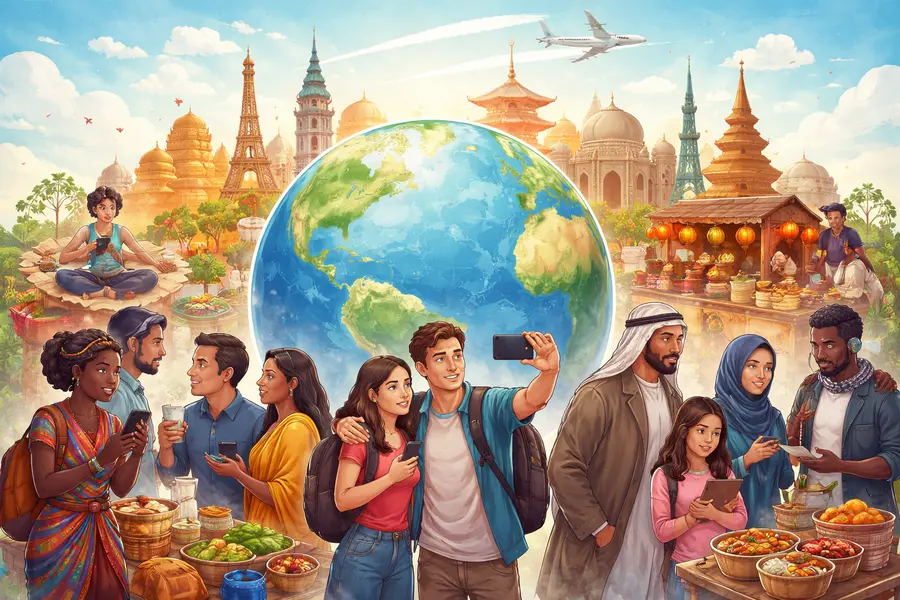
Globalization is changing cultural values in modern society. People are now more connected through technology, media, and travel. This brings new ideas, lifestyles, and traditions into everyday life. While it promotes understanding and diversity, it can also weaken local customs and identities.
Many cultures are blending, creating new ways of living and thinking. The challenge is to enjoy global influences while protecting traditional values that define communities and preserve cultural uniqueness.
Understand how globalization is transforming cultural values, blending traditions and shaping modern lifestyles worldwide.
Is Globalization Reshaping Cultural Values in Modern Society? Sociological Analysis
Globalization is no longer just a buzzword—it is a lived reality shaping how people think, behave, and connect. From the food we eat to the content we consume, global influences are everywhere.
Cultures that were once isolated are now constantly interacting, blending, and sometimes clashing. This raises an important question: is globalization enriching cultural diversity or slowly erasing it?
In modern society, cultural values are evolving at a rapid pace. Technology, migration, trade, and media have created a shared global space where ideas move freely. While this interconnectedness promotes understanding and innovation, it also challenges traditional beliefs and practices.
Some communities embrace these changes, while others resist them to preserve their identity.
Let’s explore how globalization is reshaping cultural values, highlighting both its positive impacts and the concerns it raises in today’s interconnected world.
The Rise of a Global Culture
One of the most visible effects of globalization is the emergence of a global culture. People across different countries now share similar tastes in music, fashion, and entertainment. Social media platforms and streaming services make it easy to access global content instantly.
This shared culture promotes unity and helps people understand different lifestyles. For example, international movies and music introduce audiences to new traditions and perspectives. However, this can also lead to the dominance of certain cultures, especially Western influence, over others.
As global culture grows, local traditions may lose importance among younger generations. The challenge lies in balancing global exposure while preserving unique cultural identities that define communities.
Read Here: Social Dimension of Globalization
Technology as a Cultural Bridge
Technology plays a key role in connecting cultures worldwide. Smartphones, the internet, and social media allow people to communicate across borders in real time. This has made cultural exchange faster and more accessible than ever before.
People can learn new languages, explore foreign traditions, and engage with global communities from their homes. This fosters tolerance and reduces cultural misunderstandings. At the same time, constant exposure to global trends can influence personal values and lifestyles.
While technology connects people, it can also create cultural uniformity. Many users follow similar trends, reducing diversity in expression. The impact of technology on culture depends on how individuals use it—either as a tool for learning or as a source of imitation.
Changing Family Values
Globalization has significantly influenced family structures and values. Traditional family systems are evolving as people adopt modern lifestyles and ideas. For instance, nuclear families are becoming more common in place of extended families.
Work opportunities and migration often separate families, leading to changes in relationships and responsibilities. Exposure to global ideas also affects views on gender roles, marriage, and parenting.
While these changes promote equality and independence, they may weaken traditional support systems. Older generations sometimes feel disconnected from modern values embraced by younger people.
Balancing traditional family values with modern perspectives is a challenge many societies face in the era of globalization.
Language and Communication Shifts
Language is a key part of culture, and globalization is changing how people communicate. English has become a dominant global language, especially in business, education, and online spaces.
This helps people from different backgrounds connect easily, but it can also lead to the decline of local languages. Many younger generations prefer global languages over their native ones, risking the loss of cultural heritage.
At the same time, globalization encourages the blending of languages, creating new forms of communication. Slang, mixed languages, and digital expressions are becoming common.
Preserving linguistic diversity while embracing global communication is essential to maintaining cultural richness in a connected world.
Impact on Food and Lifestyle
Globalization has transformed what people eat and how they live. International cuisines are now available in almost every city, allowing people to experience different cultures through food.
Fast food chains and global brands have become part of daily life, influencing eating habits worldwide. While this adds variety, it can also reduce the popularity of traditional foods.
Globalization has profoundly reshaped the food system, making diverse foods more accessible worldwide but also creating challenges such as nutrition transitions, environmental strain, and cultural homogenization. It has expanded trade, altered diets, and transformed local economies, with both positive and negative consequences.
Lifestyle changes are also evident in fashion, housing, and daily routines. People adopt global trends that reflect modern living.
However, this shift can sometimes lead to health issues and loss of cultural identity. Maintaining a balance between modern convenience and traditional practices is important for a sustainable lifestyle.
Media Influence on Cultural Values
The media is one of the strongest forces driving cultural change. Movies, television, and social media platforms expose people to global ideas and lifestyles.
This exposure shapes opinions, behaviors, and aspirations, especially among young audiences. People often imitate what they see in global media, from fashion to attitudes.
While the media promotes awareness and creativity, it can also spread unrealistic standards and stereotypes. Cultural values may shift as people compare their lives to global trends.
Responsible media consumption is essential to ensure that cultural influences are positive. Individuals must critically evaluate what they see rather than blindly adopting external values.
Economic Growth and Cultural Exchange
Globalization boosts economic growth by encouraging trade and investment across countries. This creates opportunities for cultural exchange and collaboration.
Businesses expand globally, bringing their cultural practices and values with them. This can lead to the sharing of ideas and innovation.
However, economic dominance by powerful nations can influence cultural values in smaller countries. Local traditions may be overshadowed by global business practices.
Despite this, globalization also allows local cultures to reach international audiences. Handmade products, art, and traditions can gain global recognition.
The relationship between economy and culture highlights both the opportunities and challenges of globalization.
Read Here: How Globalization Is Reshaping Local Job Markets
Cultural Identity in a Global World
Cultural identity defines who people are and where they come from. In a globalized world, maintaining this identity can be challenging.
People are exposed to multiple cultures, which can lead to a mixed or hybrid identity. This can be enriching, as individuals gain broader perspectives.
However, it can also create confusion, especially among younger generations trying to balance tradition and modernity.
Communities are finding new ways to preserve their heritage through festivals, education, and cultural programs.
Globalization does not necessarily erase identity—it reshapes it. The key is to adapt while staying connected to one’s roots.
The Role of Education
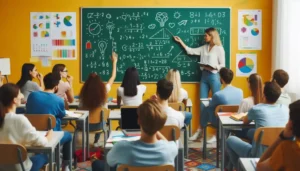
Education plays a vital role in shaping cultural values in a globalized world. Schools and universities expose students to diverse perspectives and ideas.
Global curricula encourage critical thinking, cultural awareness, and global citizenship. Students learn to respect different cultures and viewpoints.
However, education systems may also prioritize global standards over local traditions. This can reduce the focus on indigenous knowledge and cultural history.
Balancing global education with local relevance is essential. Educational institutions must ensure that students appreciate their cultural heritage while preparing for a global future.
Education acts as a bridge between tradition and modernity.
Preserving Culture in the Age of Globalization
Preserving cultural values is a major concern in the age of globalization. Communities are taking steps to protect their traditions, languages, and heritage.
Governments and organizations promote cultural festivals, local arts, and traditional practices. Digital platforms are also used to document and share cultural knowledge.
Individuals play an important role by practicing and passing down traditions to future generations.
Globalization does not have to mean cultural loss. It can be an opportunity to showcase and celebrate diversity.
By embracing change while respecting tradition, societies can create a balanced cultural future where both global and local values coexist harmoniously.
Read Here: How does cultural globalization reshape local cultures today?
Conclusion
Globalization is clearly reshaping cultural values in modern society, bringing both opportunities and challenges. It connects people across the world, encourages cultural exchange, and introduces new ideas that promote growth and understanding.
At the same time, it can weaken traditional practices and create a sense of cultural loss, especially among younger generations.
As cultures interact, they often blend, forming new identities that reflect both local and global influences.
The key lies in finding a balance. Societies must embrace the benefits of globalization while actively preserving their unique traditions, languages, and values.
Education, awareness, and community efforts play an important role in this process.
If people respect cultural roots and adapt to global changes, they can create a future where diversity thrives. In this way, globalization becomes not a threat, but an opportunity to celebrate and strengthen cultural richness in a connected world.