Food adulteration has a direct and lasting impact on the health of Indian households. Common foods such as milk, spices, cooking oils, grains, sweets, and street foods are often contaminated with harmful chemicals, artificial colors, pesticides, or inferior substitutes. These adulterants can cause immediate health problems like food poisoning, diarrhea, vomiting, and allergic reactions.
Long-term consumption increases the risk of liver and kidney damage, hormonal imbalance, weakened immunity, cancer, and neurological disorders.
Beyond physical illness, food adulteration creates economic stress due to rising medical expenses, reduces nutritional value, and leads to hidden hunger even when food intake seems sufficient.
Children, pregnant women, elderly people, and immunocompromised individuals are especially vulnerable.
Understanding how food adulteration affects health helps families make safer food choices, demand better regulation, and protect household well-being.
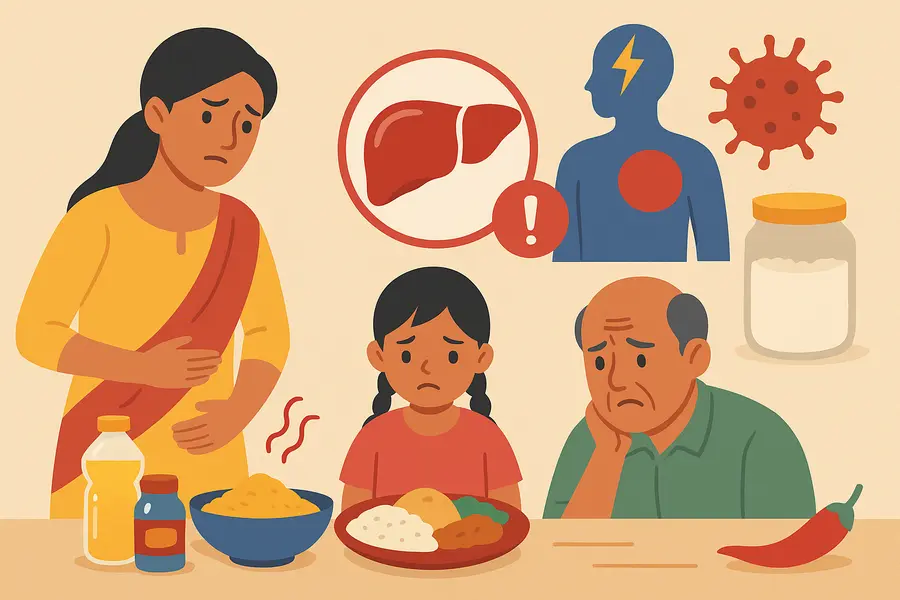
How Does Food Adulteration Impact Health in Indian Households? Explained
Food adulteration means deliberately or accidentally adding inferior, harmful, or unnecessary substances to food, reducing its quality and safety.
According to the Food Safety and Standards Authority of India (FSSAI) and the World Health Organization (WHO), adulterated food may contain chemicals, contaminants, or substitutes that make it unsafe for human consumption.
In India, food adulteration continues to be a serious public health concern due to high demand, weak enforcement in informal markets, and lack of consumer awareness.
From milk and spices to oils and grains, everyday foods in Indian households are often affected.
The health impact of adulterated food can be both immediate and long-term. While short-term effects include food poisoning, stomach infections, and allergic reactions, long-term consumption may lead to liver damage, hormonal imbalance, weakened immunity, and even cancer. Indirectly, it increases medical expenses, causes nutritional deficiencies, and creates anxiety about food safety.
Let’s explore how food adulteration affects the health of Indian households, examine common adulterants, and highlight practical prevention measures to ensure safer food choices.
Understanding Food Adulteration in the Indian Context
When we talk about food adulteration in India, we’re referring to a practice where food is made unsafe or inferior by the addition, substitution, or removal of substances that affect its quality, nutrition, or safety.
According to the Food Safety and Standards Authority of India (FSSAI), this includes both intentional and unintentional contamination — whether it’s harmful chemicals added on purpose or accidental contamination during handling, storage, or transport.
Intentional adulteration is most common — sellers mix cheap fillers or harmful substances into milk, spices, or oils to increase profits, improve appearance, or boost shelf life. This often happens in informal markets where regulatory oversight is weak.
Unintentional adulteration, on the other hand, results from negligence or poor practices, such as pesticide residues on grains, contamination from dust or insects, or poor hygiene during processing.
Legally in India, the Food Safety and Standards Act, 2006, provides the backbone for food quality regulation. Under this law, the FSSAI sets safety standards, inspects food businesses, conducts testing, and enforces compliance to protect public health.
State food safety departments work alongside FSSAI to monitor markets, investigate complaints, and take action against violators.
These definitions and legal tools help both consumers and authorities understand and tackle adulteration, which remains a major challenge for Indian households.
Commonly Adulterated Foods in Indian Households
Food adulteration in India mainly affects items used daily or consumed during festivals and social gatherings. From basic staples to street foods and festive sweets, adulteration often targets foods with high demand, short shelf life, or visual appeal, making households unknowingly vulnerable.
Daily Consumption Items
Milk and milk products
Milk is one of the most commonly adulterated foods in India. Water is frequently added to increase volume, while substances like detergent, urea, starch, or synthetic milk are used to mimic thickness and whiteness. Long-term consumption can cause digestive disorders, kidney damage, and weakened immunity, especially in children and elderly family members.
Cooking oils and ghee
Cooking oils and ghee are often adulterated with cheaper oils, animal fats, or mineral oils to reduce costs. Artificial colors and flavors may be added to mimic purity. Regular intake of adulterated oils can increase the risk of heart disease, obesity, liver problems, and long-term metabolic disorders in Indian households.
Spices
Spices such as turmeric, chili powder, and coriander are commonly adulterated with artificial colors, brick powder, sawdust, or starch. Lead chromate in turmeric is especially dangerous. These adulterants may cause stomach irritation, toxicity, nerve damage, and increase cancer risk when consumed regularly over long periods.
Pulses, grains, and rice
Pulses and grains are often mixed with stones, sand, or inferior grains to increase weight. Rice may contain plastic rice or be polished with chemicals to improve appearance. These practices reduce nutritional value and may cause digestive injuries, mineral deficiencies, and long-term exposure to harmful chemicals.
Processed and Street Foods
Sweets and bakery items
Sweets and bakery products may contain artificial sweeteners, low-quality oils, synthetic colors, and spoiled ingredients. Khoya and milk-based sweets are especially vulnerable. Consuming such foods can lead to food poisoning, liver stress, and high sugar-related health issues, particularly during festive seasons.
Packaged snacks
Packaged snacks may contain excessive artificial flavors, colors, preservatives, and low-grade oils beyond permissible limits. While they appear safe, poor quality control can expose consumers to chemical residues, increasing the risk of obesity, acidity, and long-term lifestyle-related diseases.
Street food contamination risks
Street food is often exposed to dust, flies, polluted water, and unhygienic handling. Reused oils and contaminated raw materials increase health risks. Regular consumption can lead to infections, foodborne illnesses, and chronic digestive problems, making it a major concern for urban households.
Seasonal and Festival-Related Adulteration
Sweets during Diwali, Holi, and Eid
During festivals, demand for sweets rises sharply, leading to the use of synthetic colors, poor-quality milk, and unsafe preservatives. Adulterated festive sweets may cause food poisoning, allergies, and long-term health issues, especially in children who consume them in large quantities.
Artificially ripened fruits
Fruits like mangoes and bananas are often ripened using calcium carbide or ethephon to meet market demand. Calcium carbide contains traces of arsenic and phosphorus, which can cause headaches, dizziness, and neurological problems. Regular consumption of such fruits poses serious long-term health risks.
Types of Adulterants Commonly Found in India
Food adulterants are unwanted substances that make food unsafe or less nutritious, and they are commonly found in many everyday foods in India.
Chemical adulterants like urea, detergents, artificial dyes, and pesticide residues are often added to milk, spices, fruits, and vegetables to improve appearance, increase quantity, or extend shelf life. These chemicals can cause stomach irritation, hormonal imbalance, and long-term damage to the liver and kidneys.
Biological contaminants include harmful bacteria, fungi, and mycotoxins that grow due to poor storage, moisture, and unhygienic handling. They are commonly found in grains, nuts, and dairy products and can lead to food poisoning, infections, and weakened immunity.
Physical adulterants such as stones, sand, husk, and sawdust are mixed into pulses, grains, and spices to increase weight. While visible, they can cause dental damage and digestive injuries.
Metallic contaminants like lead, arsenic, and mercury enter food through polluted water, soil, or packaging. Long-term exposure may affect brain development, kidneys, and increase cancer risk.
Read Here: How Culture Shapes Eating Habits
Health Impacts of Food Adulteration
Food adulteration affects health in both immediate and long-lasting ways. While some effects appear quickly after consuming contaminated food, others develop slowly over years. The risk is higher for vulnerable groups like children, pregnant women, and the elderly, making it a serious household concern.
Short-Term Health Effects
Food poisoning
Food poisoning is one of the most common short-term effects of adulterated food. Contaminants like bacteria, toxins, or harmful chemicals can cause sudden illness. Symptoms often include nausea, fever, weakness, and dehydration. In severe cases, especially among children and elders, food poisoning may require hospitalization and can become life-threatening.
Gastrointestinal disorders
Adulterants such as detergents, artificial colors, and pesticide residues irritate the digestive system. This can lead to diarrhea, vomiting, stomach cramps, acidity, and bloating. Frequent consumption of adulterated food weakens gut health, reduces nutrient absorption, and increases the risk of chronic digestive disorders over time.
Allergic reactions
Artificial additives, synthetic dyes, and undeclared chemicals in food can trigger allergic reactions. These may appear as skin rashes, itching, swelling, breathing difficulty, or headaches. People with existing allergies are especially vulnerable, and repeated exposure can make reactions more severe and harder to manage.
Long-Term Health Consequences
Liver and kidney damage
The liver and kidneys work to filter toxins from the body. Continuous intake of adulterated food overloads these organs, leading to gradual damage. Chemicals like heavy metals and pesticides can cause liver inflammation, reduced kidney function, and in extreme cases, organ failure.
Hormonal imbalance
Certain adulterants act as endocrine disruptors, interfering with hormone production and regulation. This may lead to fertility issues, thyroid disorders, early puberty, or metabolic problems. Hormonal imbalance affects overall health and can have long-term effects on growth and reproduction.
Cancer risk
Prolonged exposure to carcinogenic adulterants such as lead chromate, artificial dyes, and mycotoxins increases cancer risk. These substances damage cells and DNA over time, contributing to cancers of the liver, stomach, intestines, and other organs.
Neurological disorders
Heavy metals like lead and mercury affect the nervous system. Long-term consumption can cause memory loss, poor concentration, nerve damage, and behavioral changes. In children, neurological damage may be permanent and affect learning abilities.
Impact on Vulnerable Groups
Children
Children are highly sensitive to adulterated food. It can slow physical growth, weaken immunity, and impair brain development. Exposure to toxins during early years may affect cognitive abilities, learning capacity, and long-term health outcomes.
Pregnant women
Adulterated food can harm both the mother and the developing fetus. Toxic substances may cross the placenta, increasing the risk of low birth weight, birth defects, and developmental delays. Proper nutrition becomes compromised, affecting fetal growth.
Elderly and immunocompromised individuals
Older adults and people with weak immunity struggle to fight infections caused by adulterated food. They face higher risks of complications, prolonged illness, and organ damage. Even mild contamination can result in serious health consequences for these groups.
Household-Level Impact Beyond Physical Health
Food adulteration doesn’t just harm your body — it affects household finances, minds, and nutrition too. In India, frequent contamination or dilution of everyday foods can lead to costly medical treatments, stress about food safety, and hidden nutrient gaps even when families eat enough.
Economic Burden
When adulterated food makes someone sick, medical bills climb quickly. Doctor visits, medicines, tests, or even hospital stays add up, hitting household budgets hard. Time off work due to illness also means lost income and reduced productivity, affecting daily earnings especially for daily-wage earners and small business families. This creates stress and uncertainty for the next month’s expenses or children’s needs.
Psychological and Social Effects
Worrying about whether food is safe can trigger anxiety and stress in families. Parents may feel uneasy every time they buy milk, ghee, spices, or sweets. Repeated exposure to unsafe foods can also erode trust in local markets and vendors, weakening community bonds and forcing people to spend more on “trusted” — often expensive — brands.
Nutritional Deficiencies.
Adulterated foods lose essential nutrients, meaning even a full plate may lack proteins, vitamins, and minerals. For example, diluted milk provides fewer proteins and calcium than expected, contributing to hidden hunger — a state where calorie needs are met but nutrient needs are not. This affects growth, energy levels, and long-term health across all ages.
Conclusion: Protecting Indian Households from the Hidden Dangers of Food Adulteration
Food adulteration remains a serious but often overlooked threat to household health in India. Everyday foods—such as milk, oils, spices, grains, street foods, and festive sweets—are commonly adulterated with harmful chemical, biological, physical, and metallic substances.
The health impacts range from short-term problems like food poisoning and digestive disorders to long-term consequences such as organ damage, hormonal imbalance, cancer risk, and neurological issues.
Beyond physical health, adulteration also increases medical expenses, causes anxiety about food safety, and leads to nutritional deficiencies despite adequate food intake.
Addressing this issue requires collective action. Government bodies like FSSAI must strengthen enforcement and testing, while food vendors must follow ethical practices.
At the same time, consumers play a crucial role by staying informed, checking labels, choosing reliable sources, and reporting suspicious food products.
Safeguarding household health begins with awareness and responsibility at every level—from farm to plate. When regulators, sellers, and consumers work together, safer food becomes achievable.
Preventing food adulteration is not just about law enforcement; it is about protecting families, future generations, and public health across India.