Body literacy is the empowering practice of understanding your body’s natural rhythms and signals. For women, this often means learning how hormones influence energy, mood, fertility, and overall health.
Women can track cycles and hormonal changes, and gain deeper insight into their bodies, make informed lifestyle choices, and recognize patterns that support wellbeing.
Hormone tracking isn’t just about fertility—it’s a tool for self-awareness, preventive health, and reclaiming agency over one’s body.
Let’s explore how body literacy and hormone tracking can transform everyday life.
What Is Body Literacy and How Can Women Use Hormone Tracking?
In a world where health advice often feels generic, many women are turning inward—toward their own bodies—for answers.
This shift has given rise to the concept of body literacy, a powerful skill that involves understanding the body’s natural signals, rhythms, and patterns.
Instead of relying solely on external guidelines, body literacy encourages women to observe how their energy, mood, sleep, and physical sensations change throughout the month.
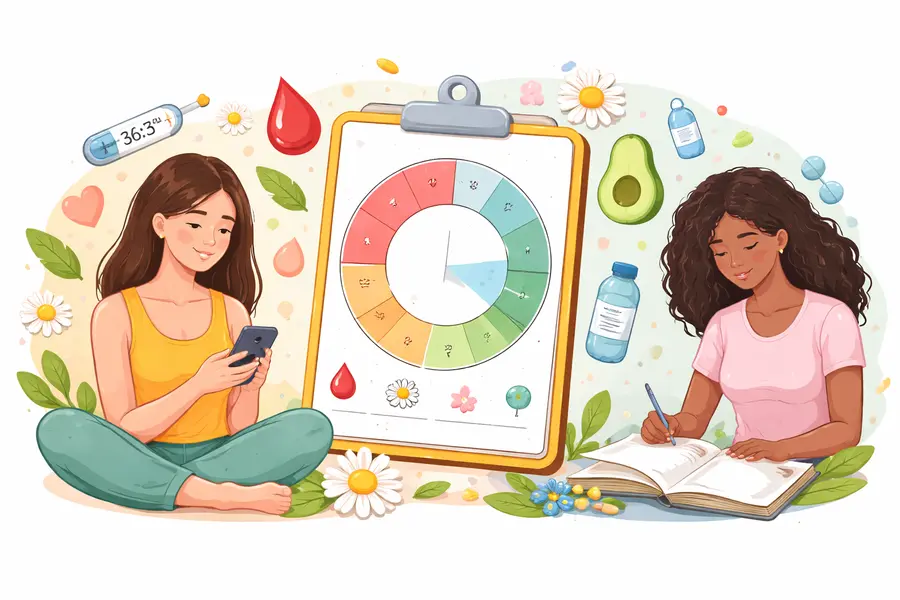
At the center of this awareness lies hormone tracking, a practical way to connect daily experiences with the menstrual cycle’s phases.
From productivity and workouts to emotional well-being and nutrition, hormones influence far more than just periods.
Learning to track and interpret these patterns can lead to better decision-making, improved health, and a deeper sense of self-trust.
Let’s explore what body literacy means and how women can effectively use hormone tracking in everyday life.
Understanding Body Literacy
Body literacy is the ability to recognize, interpret, and respond to your body’s internal signals. For women, this often revolves around the menstrual cycle, which acts like a monthly report card of hormonal changes.
Instead of ignoring fatigue, mood swings, or cravings, body literacy invites curiosity: Why am I feeling this way today? It’s about connecting the dots between physical sensations and hormonal fluctuations.
This awareness helps women move away from self-judgment and toward self-understanding. Over time, it builds a stronger mind-body connection, allowing more informed decisions around health, work, and relationships.
Body literacy isn’t about perfection or strict routines—it’s about paying attention. By tuning into these patterns, women can align their lifestyles with their biology, rather than working against it. This shift alone can significantly improve overall well-being.
The Role of Hormones in Daily Life
Hormones are chemical messengers that regulate almost every function in the body, including mood, energy, metabolism, and sleep.
In women, key hormones like estrogen, progesterone, and luteinizing hormone fluctuate throughout the menstrual cycle.
These changes don’t just affect reproductive health—they influence how you think, feel, and perform each day.
For example, rising estrogen levels often boost confidence and creativity, while progesterone may bring a calmer, more introspective mood. Ignoring these shifts can lead to frustration when energy or focus suddenly drops.
Understanding hormonal patterns helps normalize these changes instead of seeing them as problems.
When women recognize how hormones shape their daily experiences, they can better plan their schedules, workouts, and even social interactions.
Hormone awareness turns unpredictability into something more manageable and empowering.
What Is Hormone Tracking?
Hormone tracking is the practice of observing and recording physical, emotional, and behavioral changes throughout your menstrual cycle.
It doesn’t always require medical tests—simple daily notes about mood, energy, sleep, and symptoms can be incredibly insightful. Some women use apps, journals, or wearable devices to log this information.
The goal is to identify patterns over time, such as when energy peaks or when cramps typically occur.
Hormone tracking helps make invisible processes visible. Instead of guessing why you feel a certain way, you can refer to your cycle data for clarity. This practice is especially useful for managing PMS, optimizing productivity, and understanding fertility windows.
Over time, it becomes easier to predict how you’ll feel on certain days, allowing for better planning and reduced stress.
The Four Phases of the Menstrual Cycle
The menstrual cycle is typically divided into four phases: menstrual, follicular, ovulatory, and luteal. Each phase comes with distinct hormonal shifts and experiences.
The menstrual phase is when bleeding occurs, often accompanied by lower energy levels.
The follicular phase follows, bringing a gradual rise in estrogen and renewed motivation. Ovulation marks a peak in confidence, communication skills, and physical energy.
Finally, the luteal phase prepares the body for a potential pregnancy, often bringing a slower pace and increased need for rest.
Understanding these phases is essential for hormone tracking because it provides a framework for interpreting daily changes.
Instead of feeling inconsistent, women can see these shifts as natural cycles. This perspective fosters acceptance and helps align activities with each phase’s strengths.
Benefits of Tracking Your Hormones
Tracking hormones offers a wide range of benefits that extend beyond reproductive health.
One major advantage is improved emotional awareness—understanding that mood swings may be hormonally influenced can reduce self-criticism. It also helps with productivity by identifying peak performance days.
For instance, creative tasks may feel easier during ovulation, while planning and reflection may suit the luteal phase.
Hormone tracking can also aid in managing symptoms like cramps, headaches, and fatigue by predicting when they might occur. Additionally, it enhances communication in relationships, as women can better explain their needs and boundaries.
Over time, tracking builds confidence and self-trust, replacing confusion with clarity. This practice empowers women to take control of their health in a personalized and meaningful way.
Tools and Methods for Hormone Tracking
There are many ways to track hormones, ranging from simple to advanced methods. Traditional journaling is a great starting point—writing down daily observations about mood, energy, and physical symptoms.
Digital apps have become popular, offering reminders and visual charts of cycle patterns.
Some women also use basal body temperature tracking or ovulation predictor kits for more precise insights.
Wearable devices can monitor sleep, heart rate, and activity levels, providing additional data points.
The key is consistency rather than complexity. You don’t need every tool available—just one method that fits your lifestyle. Over time, these records reveal patterns that might otherwise go unnoticed.
Choosing a method that feels easy and sustainable ensures that hormone tracking becomes a helpful habit rather than a burden.
Using Hormone Tracking for Productivity
One of the most practical uses of hormone tracking is optimizing productivity. By aligning tasks with hormonal phases, women can work more efficiently and with less stress.
For example, the follicular and ovulatory phases are ideal for brainstorming, social interactions, and high-energy tasks.
In contrast, the luteal phase may be better suited for organizing, reviewing, and completing projects.
During the menstrual phase, rest and reflection can be prioritized. This approach challenges the idea that productivity should remain constant every day. Instead, it embraces natural fluctuations.
By working with the body rather than against it, women can achieve more while feeling less burned out. Hormone-based productivity isn’t about doing less—it’s about doing the right things at the right time.
Hormone Tracking and Emotional Well-being
Hormones play a significant role in emotional health, influencing everything from anxiety levels to confidence.
Tracking these patterns helps women understand emotional shifts without feeling overwhelmed by them.
For instance, feelings of irritability or sadness during the luteal phase can be anticipated and managed with self-care strategies. This awareness reduces the tendency to internalize emotions as personal flaws. Instead, emotions are seen as temporary and cyclical.
Hormone tracking also encourages proactive mental health practices, such as scheduling relaxation or social support during challenging phases. Over time, this builds emotional resilience.
By recognizing patterns, women can respond to their feelings with compassion rather than confusion. This shift improves overall mental well-being and fosters a healthier relationship with emotions.
Supporting Physical Health Through Cycle Awareness
Hormone tracking can also enhance physical health by guiding choices around exercise, nutrition, and rest. For example, high-intensity workouts may feel easier during the ovulatory phase, while gentle activities like yoga may suit the menstrual phase.
Nutritional needs can also vary, with some women benefiting from increased iron during menstruation or more protein during the luteal phase. Sleep patterns may shift as well, requiring adjustments in bedtime routines.
By aligning lifestyle habits with hormonal changes, women can reduce fatigue and improve overall health. This approach moves away from rigid fitness or diet plans and toward flexibility.
Listening to the body’s needs leads to more sustainable habits. Ultimately, hormone tracking helps create a lifestyle that supports long-term wellness.
Read Here: Importance of Personal Hygiene and Cleanliness
Building a Lifelong Connection With Your Body
Body literacy and hormone tracking are not quick fixes—they are lifelong practices that evolve over time. As women continue tracking their cycles, they develop a deeper understanding of their unique patterns.
This knowledge fosters confidence, self-respect, and independence in health decisions. It also reduces reliance on external validation, as women learn to trust their own experiences.
Over time, this connection extends beyond the menstrual cycle, influencing how women approach stress, relationships, and self-care. The goal isn’t to control the body but to collaborate with it.
By embracing body literacy, women can live more in tune with themselves, leading to a more balanced and fulfilling life. This ongoing relationship with the body is one of the most empowering aspects of hormone tracking.
Read Here: Top 10 Health Tips to Maintain an Active and Healthy Lifestyle