Lymphatic drainage massage at home is a gentle technique that uses light, rhythmic strokes to move lymph fluid, reduce swelling, and support natural detoxification.
Try this simple lymphatic drainage massage at home to reduce puffiness, detox your skin, and feel refreshed—no spa needed!
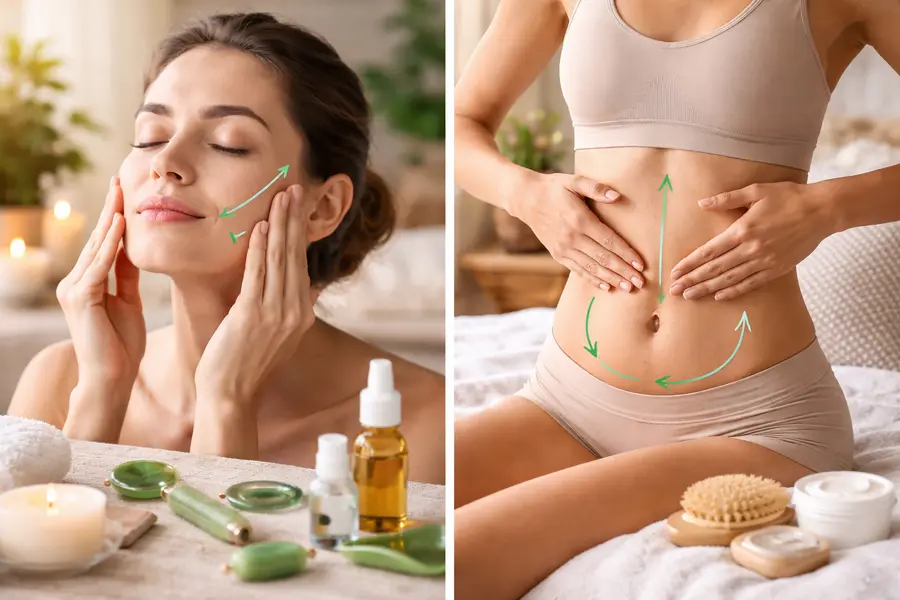
How to Do Lymphatic Drainage Massage at Home: Face & Body Guide
If you’ve ever wished for a natural way to reduce puffiness, boost circulation, and give your skin a healthy glow, lymphatic drainage massage might be your new best friend.
This gentle, rhythmic technique helps move lymph fluid through your body, supporting detoxification and reducing swelling. The best part? You don’t need a spa appointment—you can do it right at home.
Unlike deep tissue massage, lymphatic drainage is light, slow, and incredibly relaxing. It works by stimulating the lymphatic system, which plays a key role in removing toxins and waste.
With consistent practice, you may notice improved skin tone, reduced bloating, and even a more sculpted appearance in your face and body.
Let’s learn exactly how to perform lymphatic drainage massage safely and effectively, so you can enjoy its benefits anytime you need a little self-care boost.
What Is Lymphatic Drainage Massage?
Lymphatic drainage massage is a specialized technique designed to stimulate the flow of lymph—a clear fluid that carries waste, toxins, and immune cells throughout the body.
Unlike blood, which is pumped by the heart, lymph relies on movement, breathing, and gentle pressure to circulate.
This massage uses light, repetitive strokes to encourage lymph flow toward lymph nodes, where toxins are filtered and eliminated. It’s commonly used to reduce swelling, improve immunity, and enhance skin health.
For facial care, it helps reduce puffiness and contour the face naturally. For the body, it can relieve water retention and promote relaxation.
Since the lymphatic system sits just beneath the skin, applying too much pressure can actually be counterproductive—gentle movements are key to success.
What Benefits Can You Expect from Lymphatic Drainage Massage?
Practicing lymphatic drainage massage regularly can offer a range of noticeable benefits. One of the most immediate effects is reduced puffiness, especially around the eyes and cheeks. This makes it a favorite for morning skincare routines.
It also supports detoxification by helping your body remove waste more efficiently. Over time, this can lead to clearer skin and improved complexion. Additionally, it promotes better circulation, which enhances the delivery of oxygen and nutrients to your cells.
For the body, it can reduce bloating, ease fluid retention, and even help with muscle recovery after workouts. Some people also find it deeply calming, as the slow, rhythmic motions can reduce stress and tension.
Consistency is key—doing it a few times a week can significantly amplify these benefits.
Tools You Can Use (or Skip)
While your hands are perfectly effective for lymphatic massage, many people enjoy using tools to enhance the experience. Popular options include jade rollers, gua sha stones, and soft body brushes.
A jade roller is great for beginners—it provides gentle pressure and helps keep movements smooth.
Gua sha tools are slightly more advanced and can offer more sculpting benefits when used correctly. For body massage, dry brushes or silicone cups are commonly used.
However, tools are not necessary. In fact, using clean hands allows you to better control pressure and direction, which is essential for proper lymphatic flow.
If you choose to use tools, make sure they are clean and used with light pressure. Pairing them with a facial oil or body lotion can help reduce friction and make the massage more comfortable.
Preparing Your Skin and Space
Before starting your massage, preparation is important to ensure both comfort and effectiveness.
Begin by cleansing your skin to remove dirt, oil, and makeup. This allows your hands or tools to glide smoothly without clogging pores.
Next, apply a lightweight oil, serum, or moisturizer. This step prevents tugging and helps your fingers move effortlessly across your skin.
Choose products that suit your skin type—hydrating oils for dry skin or gel-based formulas for oily skin.
Create a calm environment to enhance relaxation. You might dim the lights, play soft music, or simply find a quiet space where you won’t be interrupted.
Lastly, wash your hands thoroughly. Since lymphatic massage involves gentle, repetitive strokes, clean hands help maintain hygiene and prevent irritation or breakouts during your routine.
Understanding Lymphatic Flow Direction
One of the most important aspects of lymphatic drainage massage is knowing the correct direction of movement. Lymph fluid flows toward lymph nodes, which are located in areas like the neck, underarms, and groin.
For the face, most movements should direct fluid downward toward the neck and collarbone area. This is where major lymph nodes help filter waste. On the body, strokes should guide fluid toward nearby lymph nodes—for example, from the arms toward the armpits.
Moving in the wrong direction can reduce effectiveness, so it’s important to follow natural pathways. Always use slow, gentle strokes and avoid pressing too hard.
Think of it as guiding fluid rather than pushing it. Once you understand these pathways, your massage becomes much more effective and results-driven.
Step-by-Step Facial Massage Routine
Start your facial massage at the neck to “open” the lymphatic pathways. Use gentle downward strokes along the sides of your neck toward the collarbone.
Next, move to your jawline. Using your fingertips, glide from the center of your chin outward toward your ears. Repeat this motion several times on each side.
For the cheeks, use light sweeping motions from the nose outward toward the ears. This helps reduce puffiness and encourages drainage.
Around the eyes, be extra gentle. Use your ring finger to lightly tap or sweep from the inner corner outward, following the natural curve of the eye.
Finish by repeating neck strokes to help drain the lymph fluid. This routine takes just 5–10 minutes and can leave your face looking refreshed and sculpted.
Step-by-Step Body Massage Routine
For body massage, start with dry brushing or light oil application, depending on your preference. Begin at your feet and work upward using gentle, sweeping motions toward the knees and thighs.
From the thighs, guide strokes toward the groin area where lymph nodes are concentrated. For the arms, start at the hands and move upward toward the armpits.
On the abdomen, use circular clockwise motions to support digestion and lymph flow. Keep pressure light and consistent.
For the back, if reachable, use upward strokes toward the underarm area or ask for assistance.
Each section should be massaged for a few minutes. The goal is not intensity but consistency and direction. Over time, this routine can help reduce fluid retention and promote a lighter, more energized feeling.
Common Mistakes to Avoid
One of the biggest mistakes people make is applying too much pressure. Lymphatic vessels are located just under the skin, so heavy pressure can actually hinder flow rather than help it.
Another common error is moving too quickly. This massage is meant to be slow and rhythmic. Rushing through it reduces effectiveness and the calming benefits.
Skipping the neck area is also a mistake. Since lymph drains toward the neck, neglecting this step can limit results.
Using dirty tools or unwashed hands can lead to skin irritation or breakouts, so hygiene is essential.
Finally, inconsistency can prevent noticeable improvements. Doing the massage occasionally may feel nice, but regular practice is what delivers real, visible results over time.
How Often Should You Do It?
For best results, lymphatic drainage massage should be done consistently. For the face, you can practice it daily, especially in the morning to reduce puffiness and wake up your skin.
For the body, 2–4 times a week is usually enough to see benefits like reduced bloating and improved circulation. However, you can adjust based on your needs and schedule.
Short sessions of 5–10 minutes can still be effective if done regularly. Longer sessions once or twice a week can provide deeper relaxation and enhanced results.
Listen to your body—if your skin feels sensitive or irritated, take a break. Over time, you’ll find a routine that fits seamlessly into your lifestyle and delivers the best outcomes.
Who Should Be Careful or Avoid It?
While lymphatic drainage massage is generally safe, it may not be suitable for everyone. People with certain medical conditions, such as infections, heart issues, or kidney problems, should consult a healthcare professional before trying it.
If you have swollen lymph nodes, unexplained pain, or recent surgery, it’s best to avoid self-massage until you get medical advice.
Pregnant individuals should also check with their doctor before starting any new massage routine.
Additionally, if you have active skin conditions like severe acne, rashes, or open wounds, avoid massaging those areas to prevent irritation.
When in doubt, start gently and observe how your body responds. Safety always comes first when introducing any new wellness practice.
Read Here: Skin Longevity Skincare vs Traditional Anti-Aging Techniques
FAQs
1. How do you do lymphatic drainage massage at home?
Start with gentle strokes on the neck, then move outward on the face and upward on the body, always directing fluid toward lymph nodes using light pressure.
2. How often should you do lymphatic massage?
Facial massage can be done daily, while body lymphatic massage is ideal 2–4 times per week for best results.
3. Does lymphatic drainage reduce face puffiness?
Yes.Lymphatic drainage massage helps reduce puffiness by improving lymph flow and removing excess fluid from the face.
4. Do you need tools for lymphatic massage?
No, you can use your hands effectively, though tools like jade rollers or gua sha can enhance the experience.
5. Is lymphatic drainage massage safe?
Lymphatic drainage massage is generally safe but should be avoided if you have infections, swelling, or certain medical conditions without medical advice.