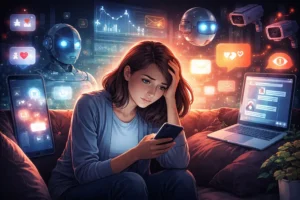
Social media influencers shape youth culture by turning everyday content into powerful trends. Their relatable style makes young people trust their opinions on beauty, fashion, and lifestyle. This often shifts buying habits from needs to trends while influencing how youth see themselves. As a result, identity, self-image, and aspirations are increasingly shaped by curated online lifestyles and digital validation.
Let’s understand how social media influencers drive trends, consumer behavior, and identity and identity in today’s digital world.
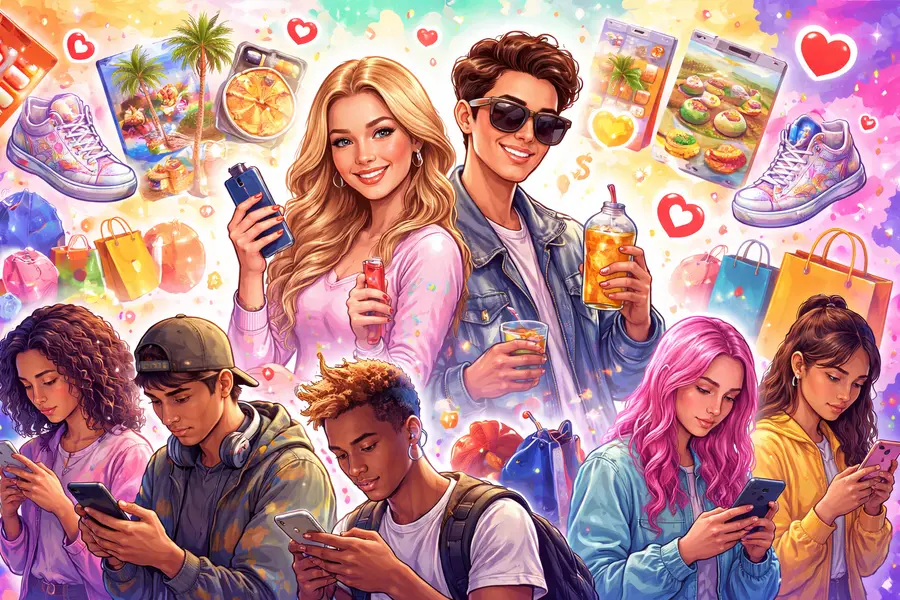
How Do Social Media Influencers Reshape Youth Consumer Culture and Identity?
Scroll through any social media feed today, and it’s clear that influencers are no longer just content creators—they are cultural architects.
From the clothes young people wear to the skincare routines they follow, digital creators are shaping how youth see themselves and the world around them.
Platforms like Instagram, TikTok, and YouTube have turned everyday individuals into powerful trendsetters whose opinions often carry more weight than traditional advertising.
What makes influencers so impactful is their relatability. Unlike celebrities of the past, they feel accessible, authentic, and “just like us.” This connection allows them to subtly influence purchasing decisions, lifestyle choices, and even personal identity.
As a result, youth consumer culture is becoming more dynamic, fast-paced, and deeply intertwined with online validation.
But this shift also raises important questions: Are influencers empowering individuality, or are they redefining identity within a new set of digital expectations?
The Rise of Influencer Culture in the Digital Age
The emergence of influencer culture is closely tied to the rapid growth of social media platforms. Over the past decade, these platforms have transformed from simple communication tools into powerful marketing ecosystems.
Influencers—individuals with dedicated online followings—have become central figures in this landscape.
Unlike traditional celebrities, they build their audiences through consistent content, niche expertise, and personal storytelling.
Young audiences, in particular, are drawn to influencers because they feel more relatable and authentic. This perceived authenticity makes influencer recommendations feel like advice from a friend rather than a sales pitch.
As a result, brands have shifted their focus toward influencer collaborations, recognizing their ability to drive engagement and sales. This evolution marks a significant shift in consumer culture, where trust and relatability now outweigh traditional authority.
Read Here: How to Rebuild Real Social Connections
Redefining Beauty Standards Through Digital Lenses
Social media influencers play a crucial role in shaping modern beauty standards. Through curated posts, filters, and editing tools, they present idealized versions of themselves that often set unrealistic expectations.
Smooth skin, perfect lighting, and carefully styled appearances become the norm, influencing how young people perceive beauty.
However, the impact is not entirely negative. Many influencers are now promoting body positivity, inclusivity, and natural beauty, challenging traditional norms.
Movements that celebrate diverse body types, skin tones, and imperfections are gaining traction, offering a more balanced perspective.
Despite this progress, the pressure to conform to certain aesthetics remains strong. Young audiences may feel compelled to replicate these looks, leading to increased spending on beauty products and treatments.
Ultimately, influencers are redefining beauty—but the definition is constantly evolving.
Read Here: The Evolution of Body Positivity in Media Culture
Influencers as Lifestyle Curators
Influencers don’t just sell products—they sell lifestyles. From morning routines to travel diaries, they create aspirational content that showcases a specific way of living.
For young audiences, this can be both inspiring and influential, shaping their goals, habits, and daily choices.
These curated lifestyles often emphasize productivity, wellness, luxury, or minimalism, depending on the influencer’s niche.
Followers may adopt similar routines, purchase recommended products, or even mimic behaviors in an attempt to align with these ideals.
The challenge lies in the fact that much of this content is selectively presented. What appears effortless is often carefully planned and sometimes sponsored.
This creates a gap between reality and perception, where young people may compare their everyday lives to highly polished online narratives, influencing both their spending habits and self-image.
The Psychology Behind Influencer Impact
The influence of social media creators is deeply rooted in psychology. Concepts like social proof, parasocial relationships, and aspirational identity play a significant role in shaping youth behavior.
When influencers endorse a product or lifestyle, their followers perceive it as validated and desirable.
Parasocial relationships—one-sided emotional connections—make followers feel personally connected to influencers. This sense of familiarity increases trust and makes recommendations more persuasive.
Additionally, the desire to belong and be accepted drives young people to align with trends popularized by influencers.
This psychological dynamic creates a powerful loop: influencers set trends, followers adopt them, and the cycle continues.
While this can foster community and inspiration, it can also lead to overconsumption and identity dependence, where self-worth becomes tied to external validation.
Read Here: How Social Media Shapes Youth Mental Health
Consumer Culture: From Need-Based to Trend-Based Buying
Influencer marketing has shifted consumer behavior from need-based purchasing to trend-driven consumption.
Instead of buying products out of necessity, young consumers are increasingly influenced by what is popular or “trending” online.
Limited-time drops, viral products, and “must-have” items create a sense of urgency and fear of missing out (FOMO).
Influencers amplify this effect by showcasing products in real-life scenarios, making them appear essential to a desirable lifestyle.
This shift has significant implications for spending habits. Young consumers may prioritize aesthetics and social validation over practicality, leading to impulsive purchases.
While this trend benefits brands and drives economic activity, it also raises concerns about sustainability and financial awareness.
This comprehensive review focuses on emotional connection, trust, and attractiveness as key drivers of influencer impact.
Ultimately, influencer-driven consumer culture is fast-paced, emotionally driven, and constantly evolving.
Identity Formation in the Age of Social Media
Adolescence and young adulthood are critical periods for identity formation, and social media plays a major role in this process.
Influencers act as reference points, offering templates for how to look, behave, and live.
Young people often experiment with different identities by adopting styles, opinions, and habits seen online. This can be empowering, providing exposure to diverse perspectives and communities.
However, it can also create confusion, as individuals struggle to distinguish between authentic self-expression and imitation.
The constant exposure to curated identities may lead to comparison and self-doubt. When personal identity becomes intertwined with online trends, it can feel unstable and dependent on external approval.
Influencers, therefore, play a dual role—both guiding and complicating the journey of self-discovery.
Read More: Why Influencer Culture Is Reshaping Youth Identity
The Role of Algorithms in Amplifying Influence
Social media algorithms play a crucial role in determining which influencers gain visibility and reach.
These algorithms prioritize content that generates engagement, such as likes, comments, and shares, often amplifying trends and popular creators.
For young users, this means repeated exposure to similar types of content, reinforcing specific beauty standards and lifestyle ideals. Over time, this creates an echo chamber where certain trends appear more dominant than they actually are.
Algorithms also contribute to the rapid spread of viral content, allowing influencers to shape consumer culture at an unprecedented speed.
While this can democratize fame and give rise to new voices, it also concentrates influence among a select few.
Understanding this mechanism is key to recognizing how digital environments shape perceptions and choices.
Authenticity vs. Commercialization
One of the defining characteristics of influencers is their perceived authenticity. However, as influencer marketing grows, the line between genuine content and paid promotion becomes increasingly blurred.
Many influencers collaborate with brands, promoting products in ways that feel natural and integrated into their content. While this can be effective, it also raises questions about transparency and trust.
Credibility and relatability are key factors driving influence among Gen Z audiences.
Young audiences may struggle to distinguish between honest recommendations and sponsored endorsements.
This tension between authenticity and commercialization is central to influencer culture. When handled responsibly, collaborations can provide value and inspiration.
But when overdone, they risk eroding trust and reducing influencers to mere marketing tools. Maintaining authenticity is essential for sustaining long-term influence and credibility.
Positive Impacts: Empowerment and Representation
Despite criticisms, influencer culture has brought several positive changes. It has democratized content creation, allowing individuals from diverse backgrounds to share their stories and perspectives. This has led to increased representation across beauty, fashion, and lifestyle spaces.
Many influencers use their platforms to promote self-love, mental health awareness, and social causes. They challenge traditional norms and encourage followers to embrace individuality.
For young people, this can be empowering, providing role models who reflect their own experiences.
Additionally, influencers often create communities where followers feel seen and supported. These digital spaces can foster connection and belonging, especially for those who may feel isolated offline.
In this way, influencers can have a meaningful and positive impact on youth identity and culture.
The Future of Youth Culture in an Influencer-Driven World
As technology continues to evolve, the influence of social media creators is likely to grow even stronger.
Emerging trends such as virtual influencers, AI-generated content, and immersive digital experiences will further reshape youth culture.
At the same time, audiences are becoming more aware and critical of influencer practices.
There is a growing demand for transparency, authenticity, and ethical behavior. This shift may encourage influencers to adopt more responsible approaches to content creation.
For young people, navigating this landscape requires digital literacy and self-awareness.
Understanding the difference between inspiration and pressure is key to maintaining a healthy relationship with social media.
Ultimately, the future of youth culture will depend on how both creators and consumers adapt to this ever-changing digital environment.
Conclusion
Social media influencers have become powerful voices in shaping how young people see themselves and the world around them. They do more than promote products; they set trends, define lifestyles, and influence values.
For many youths, following influencers creates a sense of belonging, but it can also spark pressure to conform to certain looks or behaviors. This dual impact reshapes consumer culture by making brand choices part of identity formation.
At the same time, influencers blur the line between personal expression and marketing, creating new challenges for authenticity. Their reach shows how digital platforms can redefine culture faster than traditional media ever did.
Understanding this influence is essential for parents, educators, and marketers who want to support healthy identity development while recognizing the commercial forces at play.
Digital creators and social influencers are not just shaping what youth buy—they are shaping who youth believe they are.
Read Here: How Social Media Contributes to Political Polarization