Exploring the Impact of Sharenting on Child Privacy and Consent in the Digital Age
Sharenting, a blend of the words “sharing” and “parenting,” refers to parents posting photos, videos, and personal information about their children on social media and digital platforms.
While many parents share content to celebrate milestones, seek support, or document family memories, sharenting raises serious concerns about child privacy, digital safety, and informed consent.
Children often have no control over what is shared about them, yet their digital footprints can last forever.
Oversharing can expose children to risks such as identity theft, cyberbullying, data misuse, and emotional harm.
As children grow older, they may feel embarrassed, violated, or powerless over their online presence.
Let’s explore how sharenting affects child privacy and consent, examine its psychological, legal, and ethical implications, and provide guidance on responsible digital parenting in the modern online world.
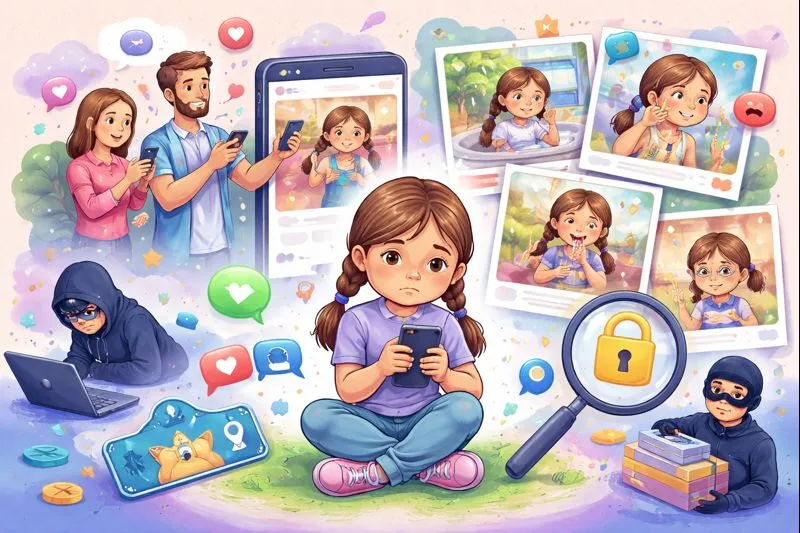
What Is Sharenting and Why Is It Becoming Common?
Sharenting describes the growing trend of parents sharing content about their children online, including images, school achievements, health updates, and daily activities.
Social media platforms make it easy to instantly document and broadcast parenting moments to friends, family, and even strangers.
Many parents share content to express pride, build community, or preserve memories. However, the rise of influencer culture and monetization has increased sharenting for financial or social recognition purposes.
While sharenting may seem harmless, it can unintentionally expose children’s private lives to public audiences.
The normalization of constant online sharing has blurred boundaries between personal family life and public content.
As digital platforms continue to expand, sharenting is becoming more frequent, making it essential to understand its consequences and long-term impact on children’s privacy, autonomy, and emotional well-being.
How Sharenting Threatens Child Privacy in the Digital Age
Sharenting poses a major risk to child privacy because once personal content is shared online, it can be copied, altered, or misused beyond parental control.
Photos and personal details can contribute to the creation of a permanent digital identity that follows a child into adulthood. This digital footprint may include sensitive information such as birthdates, locations, habits, and family routines, which can increase vulnerability to stalking, fraud, or identity theft.
Even private social media accounts cannot guarantee full protection due to data breaches or unauthorized sharing.
Over time, excessive online exposure can compromise a child’s right to privacy and personal autonomy.
Children deserve the right to shape their own online identity, and sharenting often removes that choice before they are mature enough to understand or consent to digital consequences.
The Issue of Child Consent in Online Sharing
One of the biggest ethical concerns in sharenting is the lack of informed consent from children.
Young children cannot understand the long-term effects of having their personal moments shared online, while older children may feel pressured to agree with parents even if they feel uncomfortable.
Consent requires awareness, understanding, and voluntary approval—elements that are often missing when parents post content about their children.
Sharing embarrassing or intimate moments without permission can damage trust between parents and children.
As children grow older, they may resent decisions made about their digital identity without their input.
Respecting consent means involving children in decisions about online sharing, asking their comfort level, and honoring their preferences.
Teaching children that their personal boundaries matter can empower them to make responsible choices about privacy in the future.
Psychological and Emotional Impact on Children
Sharenting can affect a child’s mental health, self-esteem, and emotional development.
Public exposure of private or embarrassing moments may cause shame, anxiety, or social pressure as children become more aware of their online presence.
Children who grow up with their lives documented online may feel a loss of personal control or struggle with identity formation.
Some may feel exploited if their parents gain social status or income from posting about them.
Negative comments or online bullying related to shared content can further harm emotional well-being. Over time, children may feel that their personal experiences exist for public entertainment rather than private family memories.
Healthy emotional development requires a safe environment where children feel respected and protected, making it important for parents to balance sharing with emotional sensitivity and respect for personal dignity.
Legal Risks and Children’s Digital Rights
Sharenting also raises legal concerns related to data protection, child rights, and privacy laws.
In some countries, regulations protect children’s personal data and grant them the right to request content removal. However, enforcement remains inconsistent, and many legal systems struggle to keep up with evolving digital practices.
Parents who share excessive personal details could unintentionally violate data protection laws or expose children to legal vulnerabilities in the future. Additionally, children may later seek legal action if their privacy has been significantly compromised.
As awareness grows, lawmakers are increasingly recognizing children’s rights to control their online identity.
Understanding the legal responsibilities tied to digital parenting is crucial, as parents may be held accountable for long-term harm caused by irresponsible online sharing.
Risks of Identity Theft and Online Exploitation
Sharenting can unintentionally contribute to identity theft and digital exploitation. Posting full names, birthdates, school names, or home locations provides valuable information that cybercriminals can misuse.
Images of children can also be repurposed in harmful or illegal ways without parental knowledge. Even innocent posts can be manipulated or stored in unauthorized databases. Over time, a child’s digital profile can become a target for fraud, impersonation, or data tracking.
Children are especially vulnerable because they lack awareness of online risks and cannot protect themselves independently. By limiting shared information and avoiding oversharing personal details, parents can reduce the risk of identity misuse.
Protecting a child’s digital identity should be treated with the same seriousness as protecting their physical safety.
Social Consequences and Peer Relationships
Sharenting can influence a child’s social life and peer relationships, especially during adolescence.
Classmates or peers may find old posts that children find embarrassing, leading to teasing, bullying, or social exclusion.
Content shared by parents may conflict with how children want to present themselves online, creating tension and identity struggles.
Some children may feel humiliated if personal stories or photos are accessible to their social circles. The inability to control their public image can impact confidence and social comfort. In extreme cases, persistent embarrassment may affect academic performance or mental health.
Respecting a child’s privacy helps them build healthy peer relationships and maintain autonomy over their personal reputation as they navigate social environments.
Ethical Responsibilities of Parents in the Digital Era
Parents play a key role in safeguarding their children’s privacy and shaping their digital identity.
Ethical digital parenting involves considering long-term consequences before sharing content online.
Parents should ask whether a post respects a child’s dignity, privacy, and future autonomy. Posting content for entertainment, validation, or financial gain may cross ethical boundaries.
Responsible sharenting means avoiding sensitive topics such as medical conditions, behavioral issues, or emotional struggles.
Parents should model respectful online behavior and teach children about privacy and digital safety.
Ethical parenting in the digital age requires balancing personal expression with the responsibility to protect children from unnecessary exposure and long-term harm.
How Sharenting Affects a Child’s Future Reputation
A child’s online reputation can shape future opportunities in education, employment, and social relationships.
Content posted during childhood may resurface years later, influencing how others perceive them.
Employers, universities, or acquaintances might find old posts that children did not consent to or feel comfortable with.
A permanent digital record can limit a child’s ability to reinvent themselves or control their personal narrative. Even well-intentioned posts can unintentionally create negative impressions.
Allowing children to control their own digital presence as they mature helps protect their future reputation.
Thoughtful content sharing today can prevent embarrassment, regret, or reputational challenges later in life.
Responsible Sharenting: Best Practices for Parents
Parents can practice responsible sharenting by adopting privacy-focused habits. These include limiting identifiable details, avoiding public posts of sensitive content, using private sharing options, and regularly reviewing posted material.
Asking children for permission before sharing content builds trust and teaches respect for boundaries.
Parents should consider whether a post would embarrass the child in the future or compromise their safety.
Setting strict privacy settings and avoiding geotagging can reduce exposure risks.
Educating children about online privacy empowers them to make informed decisions about their digital identity.
Responsible sharenting allows parents to share meaningful moments while still protecting their child’s privacy, dignity, and long-term well-being.
The Future of Child Privacy in a Social Media World
As technology evolves, child privacy will remain a critical issue in digital culture. Governments, educators, and families must work together to establish clearer rules and stronger protections for children online.
Social media platforms may introduce stricter content controls, while legal frameworks could expand children’s rights to digital consent and content removal.
Future generations may demand greater autonomy over their digital identity, pushing society to redefine ethical parenting norms.
Awareness campaigns and digital literacy education can help parents understand the long-term consequences of online sharing.
The future of child privacy depends on responsible technology use, informed parenting, and legal systems that prioritize children’s rights, safety, and autonomy in an increasingly connected world.
Conclusion
Sharenting can be a meaningful way to celebrate parenting, but it carries serious risks to child privacy, consent, emotional health, and future identity.
By understanding these impacts, parents can make more thoughtful decisions that respect their children’s rights and protect their long-term well-being.
Responsible digital parenting is essential to ensuring that children grow up with control over their own online presence.