The digital divide in rural India is creating serious barriers to education. While cities enjoy fast internet and easy access to digital tools, many villages still struggle with poor connectivity, limited devices, and low digital literacy. This gap became more visible during the pandemic, when online classes highlighted how rural students were left behind.
Without smartphones, computers, or reliable internet, millions of children cannot access e-learning platforms, digital libraries, or even basic online resources.
The digital divide is not just about technology—it reflects deeper issues of poverty, infrastructure, and inequality.
As education moves increasingly online, rural learners risk being excluded from opportunities that urban students take for granted. Bridging this gap is essential to ensure equal learning, empowerment, and future growth for all students in India.
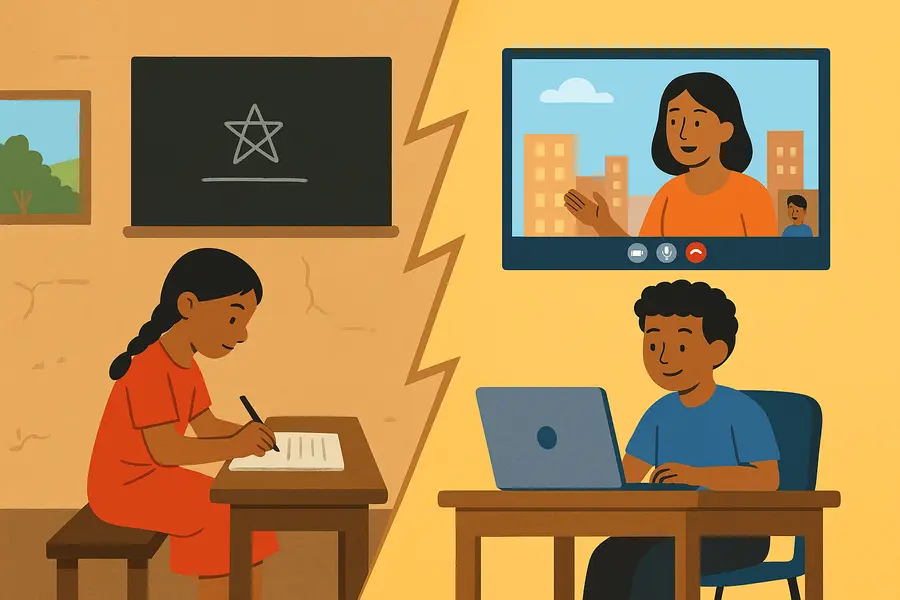
Why Is the Digital Divide Worsening Education in Rural India? Decoded
The digital divide has become one of the biggest challenges facing education in rural India.
As learning increasingly shifts toward online platforms, students without access to devices, internet connectivity, or digital skills are being left behind.
While technology has created new opportunities for urban learners, it has also exposed the deep inequalities that exist between rural and urban communities.
In many villages, students still depend on outdated teaching methods, limited resources, and schools with weak infrastructure.
When online learning became essential, especially during the pandemic, rural students struggled the most.
Poor connectivity, high device costs, and lack of digital literacy widened the gap even further.
Digital divide does not just affect classroom learning—it influences future careers, confidence, and economic mobility.
Understanding why this gap is growing and how it affects rural students is essential for creating effective solutions.
By addressing these issues, India can build a more inclusive and future-ready education system for all.
Understanding the Digital Divide in India
The digital divide in India means unequal access to technology, internet, and digital skills, creating gaps in education, jobs, and opportunities.
India has made huge progress in digital growth, yet around 70% of the population still faces poor or no connectivity. The divide is visible in many ways:
- Access gap: Rural households often lack smartphones, computers, or reliable internet. Among the poorest 20%, only 2.7% own a computer and 8.9% have the internet.
- Usage gap: Urban youth may use digital tools for learning, while rural users often rely on them mainly for entertainment.
- Skill gap: Many people struggle with ICT skills like online banking, e-learning, or reporting cyber issues.
- Gender gap: Women and girls are less digitally empowered compared to men.
Digital divide worsens social inequalities in education, healthcare, and employment. Government projects like BharatNet aim to bridge rural connectivity, but progress is slow..
Bridging the divide requires affordable internet, digital literacy programs, and inclusive policies.
Empowering marginalized groups with access and skills can turn India’s digital revolution into true social transformation.
Key Factors Behind the Growing Digital Gap in Rural Areas
The digital divide in rural India continues to grow because many villages still lack basic digital access, tools, and skills. Several interconnected issues limit students’ ability to learn online, keeping rural education far behind urban areas and widening existing inequalities.
Poor Internet Connectivity
Many rural regions still struggle with slow, unstable, or unavailable internet connections. Even when networks exist, bandwidth is too weak for video classes or digital content. This forces students to rely on outdated offline learning, limiting their exposure to modern educational resources and interactive online learning tools.
High Cost of Devices
Smartphones, laptops, and tablets remain unaffordable for many rural families. With limited income, buying and maintaining digital devices becomes a major expense. As a result, several students must share one device or have none at all, preventing consistent access to online classes and educational apps.
Limited Digital Literacy
Many teachers, students, and parents in rural areas lack basic digital skills. Without proper training, they cannot use online platforms, educational apps, or digital tools effectively. This skill gap creates hesitation, reduces engagement, and makes it difficult for rural learners to benefit fully from digital education.
Inadequate School Infrastructure
Many rural schools still lack computer labs, electricity stability, or functional digital equipment. Low budgets and poor maintenance mean technology often becomes outdated or unusable. Without supportive infrastructure, teachers cannot integrate digital tools into daily lessons, widening the learning gap between rural and urban classrooms.
Economic Hardships in Families
Rural families often prioritize essentials like food, farming, and daily expenses. Education—and especially digital learning—sometimes becomes secondary. Without financial stability, families cannot pay for data plans, repairs, or new devices. This financial burden keeps students disconnected from the online resources essential for modern learning.
Language and Content Barriers
Much digital educational content is available in English or major Indian languages, not local dialects. Rural students often struggle to understand such material, reducing its usefulness. Without localized, easy-to-understand digital content, online learning feels complex and less motivating for rural learners.
Gender Gap in Digital Access
In many rural households, boys often get priority when it comes to using devices or accessing the internet. Girls may have limited screen time or no access at all. This restricts their learning opportunities, reinforces social inequality, and widens the gender-based digital divide.
The Impact of the Digital Divide on Rural Education
The digital divide deeply affects the quality of education in rural India, creating long-term learning gaps that are hard to bridge.
When students lack access to the internet, devices, and digital tools, they miss out on opportunities that their urban peers take for granted. This difference grows every year, limiting academic growth and future career possibilities for millions of children.
One of the biggest impacts is the loss of continuity in learning. During online classes or digital assignments, rural students often struggle to participate regularly because of poor connectivity or lack of devices. This leads to incomplete lessons, low engagement, and weaker understanding of key subjects.
The divide also creates a skills gap. Students in urban schools learn digital skills—like online research, typing, coding, and using educational platforms—that are essential in modern careers. Rural students, however, remain confined to traditional methods, making them less competitive in exams and the job market.
It also affects teacher performance. Many rural teachers lack digital training or do not have access to modern teaching tools. This limits their ability to create engaging lessons or use multimedia content that could improve learning outcomes.
Social inequalities widen as well. Students from low-income families fall further behind, while those who cannot afford devices feel excluded. Girls often face even greater barriers in accessing technology.
Overall, the digital divide slows educational progress, reduces opportunities, and continues the cycle of poverty in rural India, making digital access a crucial need for the future.
Government Initiatives and Their Limitations
The Indian government has launched several programs to improve digital access and support education in rural areas.
Initiatives like Digital India, BharatNet, PM e-Vidya, and SWAYAM aim to expand internet connectivity, provide online learning platforms, and supply digital resources to schools.
Many states have also introduced tablet and smartphone distribution schemes to help students access online classes. These efforts show strong intent to bridge the digital gap and bring technology-based learning to underserved regions.
However, these programs face major limitations on the ground. The most common challenge is slow implementation. Many rural areas still lack stable internet connections because BharatNet rollout has been delayed or incomplete in several villages.
Even when digital tools reach schools, lack of maintenance and insufficient teacher training reduce their effectiveness. Some platforms require good bandwidth, which rural students often do not have.
Another issue is that device distribution does not always reach every child, especially those from the poorest households.
Digital content is also not fully available in local languages, making learning difficult for many rural students.
Overall, government initiatives are promising but still struggle with reach, quality, and long-term impact in rural India.
The Role of NGOs and Private Sector in Bridging the Gap
NGOs and private companies play a vital role in reducing the digital divide in rural India.
Many NGOs work directly with villages to provide digital classrooms, training programs, and low-cost devices. They focus on improving digital literacy among students, teachers, and parents, helping them understand and use online learning tools effectively.
Organizations also run community learning centers where children can access computers, the internet, and educational content for free.
The private sector contributes by offering technology, funding, and innovative learning solutions.
Companies create affordable tablets, build e-learning platforms, and provide digital study materials designed for rural needs.
Some firms collaborate with schools to set up smart classrooms, offer teacher training, or sponsor internet connectivity.
Telecom companies also help by expanding rural networks and offering discounted data plans for education.
Despite these efforts, challenges remain. Many programs depend on external funding, which may not last long.
Rural areas with poor infrastructure still face problems in using digital tools consistently. However, the combined efforts of NGOs and the private sector significantly strengthen digital access and support learning where government resources fall short.
Technology Solutions That Can Transform Rural Learning
Technology has the power to change how students in rural India learn, even in areas with limited resources.
Low-cost smartphones and tablets can give students access to digital textbooks, video lessons, and learning apps. These devices make it easier for children to study at their own pace, even when teachers or physical books are not available.
Offline learning apps are another effective solution. They allow students to download lessons once and use them anytime without an internet connection. This is especially helpful for villages with poor or unstable networks.
Smart classrooms and digital boards can also improve teaching quality in rural schools. With multimedia lessons, teachers can explain complex subjects more clearly and engage students better.
Solar-powered digital kits offer reliable learning tools in areas with electricity issues. They help power tablets, projectors, and learning devices throughout the day.
Community digital centers are another strong option. These shared spaces give students access to computers, the internet, and trained instructors who can guide them.
These technology solutions can make learning more accessible, interactive, and effective for rural students, helping bridge the digital and educational gap.
What Needs to Be Done: Policy and Infrastructure Priorities
To truly bridge the digital divide in rural India, the focus must shift toward long-term policies and strong infrastructure. Improving connectivity, training teachers, offering affordable devices, and ensuring local-language digital content are essential steps for creating equal learning opportunities for every rural student.
Improve High-Speed Rural Internet Connectivity
Reliable internet access is the foundation of digital learning. The government must accelerate broadband expansion and ensure every village has stable, high-speed connectivity. This includes upgrading existing mobile towers, completing BharatNet projects on time, and making internet plans more affordable so students can access online classes and digital study materials regularly.
Provide Affordable Digital Devices to Students
Many rural families cannot afford smartphones, tablets, or laptops. Policies should focus on subsidized devices, bulk school purchases, and easy financing schemes. Community device-sharing centers can also help students who cannot own personal devices. Regular maintenance support should be included so devices remain functional throughout the academic year.
Train Teachers in Digital Skills
Teachers need proper digital training to confidently use educational platforms, create engaging lessons, and manage online classes. Workshops, certification programs, and continuous support can improve teaching quality. Skilled teachers can guide students more effectively and ensure that digital tools are used meaningfully in classrooms and community learning spaces.
Strengthen School Digital Infrastructure
Rural schools must receive upgraded computer labs, projectors, stable electricity, and secure internet access. Maintenance budgets should be allocated to keep equipment functioning. With better infrastructure, teachers can use multimedia tools and interactive lessons, helping students grasp concepts faster and making learning more enjoyable.
Create Local-Language Digital Content
Many rural students struggle with digital content available mostly in English or major Indian languages. Developing simple, interactive, and curriculum-aligned content in local languages will make learning easier and more relatable. Voice-based tools and visual explanations can further support students with low reading skills.
Offer Low-Cost or Free Educational Data Plans
High data costs prevent many rural students from attending online classes. Special education-only data plans or subsidized internet packages can help. Partnerships with telecom companies can ensure continuous access so students do not miss lessons due to data expiry or expensive recharge requirements.
Promote Public–Private Partnerships (PPP)
Collaboration between the government, NGOs, and private companies can speed up digital transformation in rural areas. The private sector can provide technology, innovation, and funding, while NGOs offer grassroots implementation. Such partnerships ensure long-term support for digital labs, training programs, and community learning centers.
Expand Community Digital Learning Centers
Community centers equipped with computers, internet, and trained staff can support students who lack devices or good connectivity at home. These centers offer after-school learning, digital literacy classes, and access to e-resources. They also help create a supportive learning environment for parents and teachers.
Introduce Monitoring and Accountability Systems
To ensure policies work effectively, regular monitoring is essential. Schools and local bodies should report progress on infrastructure, teacher training, and digital access. Transparent evaluation helps identify gaps early, encourages responsible implementation, and ensures that digital education programs reach every rural student.
Conclusion
The digital divide in rural India is more than just a technology gap—it is a barrier that limits learning, opportunity, and future growth for millions of students.
Without reliable internet, affordable devices, and proper digital skills, rural learners fall behind their urban peers, widening educational and economic inequalities.
While the government, NGOs, and private sector have taken important steps to improve digital access, challenges like poor infrastructure, high costs, and limited digital literacy still remain.
Bridging this gap requires long-term commitment, strong policies, and practical solutions that reach every village, school, and household.
Improving connectivity, empowering teachers, creating local-language content, and providing affordable technology can transform education for rural communities.
With the right support and collaboration, digital tools can open doors to better learning, brighter futures, and a more equal India for the next generation.
Read Also: How Digital Inequality Impacts Education and Economy