Cultural change is a key area of study in sociology because it helps explain how societies adapt over time. Sociologists examine shifts in traditions, values, and behaviors to understand social progress.
Studying cultural change reveals how globalization, technology, and social movements reshape identity and institutions. It also highlights the tension between preserving heritage and embracing new ideas.
Sociologists analyze cultural change, and provide insights into how communities evolve and how social harmony or conflict emerges in modern society.
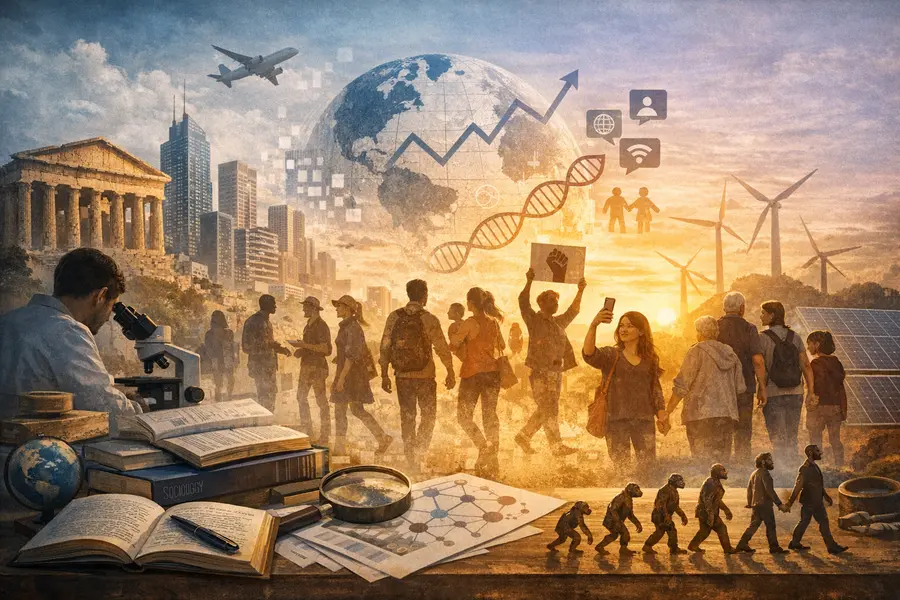
Why is Studying Cultural Change Vital for Understanding Modern Society?
Cultural change is one of the most important areas of study in sociology because it helps us understand how societies evolve over time.
Culture includes beliefs, values, traditions, language, and behaviors that shape everyday life. But culture is not fixed—it constantly changes due to technology, globalization, migration, and social movements.
Sociologists study these changes to understand how people adapt, resist, or reshape their social world. This field of study also reveals how power, inequality, and identity are influenced by cultural shifts. For example, changes in gender roles, family structures, and communication styles show how deeply culture impacts society.
Sociologists examine cultural change, and explain both progress and conflict within communities. Ultimately, studying cultural change helps us make sense of the modern world and prepares us to navigate future transformations in a more informed and thoughtful way.
Understanding How Societies Evolve
Cultural change allows sociologists to track how societies develop over time. Every society moves through different stages, influenced by new ideas, inventions, and external contacts.
Sociologists study these changes, and identify patterns and trends in human behavior. For example, the shift from agricultural to industrial societies brought major cultural transformations, including new work habits and family roles.
Understanding these shifts helps explain why societies function the way they do today. It also helps predict possible future changes. Without studying cultural change, it would be difficult to understand the connection between past traditions and present lifestyles.
This area of study provides a clear picture of how societies grow, adapt, and sometimes struggle to adjust to new realities.
Explaining Social Behavior
Cultural change plays a key role in shaping how people think and behave. As cultural values shift, so do social norms and expectations.
Sociologists study these changes to understand why people act differently across time and place. For instance, attitudes toward education, marriage, and work have changed significantly over the years. These changes influence daily decisions and interactions.
Sociologists analyze cultural change, and explain shifts in behavior that might otherwise seem confusing. This helps in understanding how individuals respond to changing environments. It also highlights how culture influences personal identity and social roles.
In simple terms, studying cultural change helps us understand why people behave the way they do in different social contexts.
Revealing Power and Inequality
Cultural change often exposes inequalities within society. Some groups benefit from change, while others may face challenges or resistance.
Sociologists study these patterns to understand how power is distributed. For example, changes in workplace culture can either reduce or increase gender inequality. Similarly, cultural shifts related to race or class can highlight ongoing social issues.
Sociologists examine these changes, and identify who holds power and who is marginalized. This knowledge is important for creating fairer societies. It also helps policymakers design better solutions to reduce inequality.
Cultural change is not always equal, and studying it helps reveal hidden structures of dominance and disadvantage in society.
Impact of Technology on Culture
Technology is one of the biggest drivers of cultural change. From smartphones to social media, technology has transformed how people communicate and interact.
Sociologists study these changes to understand their effects on relationships, work, and identity. For example, social media has created new forms of communication but also new challenges like misinformation.
Technology can connect people globally, but it can also create cultural gaps. Sociologists study these effects, and understand both the benefits and risks of technological progress. This helps society adapt more effectively to new innovations.
Cultural change driven by technology is rapid, making it a crucial area of study in modern sociology.
Read Here: The Sociology of Online Activism and Social Change
Influence of Globalization
Globalization has made cultural exchange more common than ever. People, ideas, and goods move across borders, leading to cultural blending.
Sociologists study this process to understand how local cultures are influenced by global trends. For example, food, fashion, and music often reflect a mix of different cultures. While globalization can promote diversity, it can also lead to the loss of traditional practices.
Studying cultural change helps sociologists analyze these effects. It also shows how societies balance tradition and modernity.
Understanding globalization’s role in cultural change helps explain the interconnected nature of today’s world and its impact on identity and community life.
Read Here: Is Globalization Reshaping Cultural Values Today?
Role of Social Movements
Social movements are powerful forces of cultural change. Movements related to civil rights, gender equality, and environmental protection have reshaped societal values.
Sociologists study these movements to understand how collective action leads to change. For example, shifts in attitudes toward gender roles have been influenced by activism and awareness campaigns. These changes often challenge traditional beliefs and create new norms.
Sociologists study social movements, and see how individuals come together to influence society.
Cultural change driven by movements often leads to long-term transformation. This makes it an essential area of study for understanding progress and resistance in society.
Read Here: Different Types of Social Movements
Preserving Cultural Identity
While cultural change is important, preserving cultural identity is equally significant.
Sociologists study how communities maintain their traditions in the face of change. This balance between change and continuity is crucial for cultural survival. For example, many communities adapt modern practices while keeping their traditional values alive.
Studying this process helps sociologists understand how identity is shaped and maintained. It also highlights the importance of cultural heritage in a rapidly changing world.
Sociologists examine cultural preservation, and support efforts to protect unique traditions. This ensures that cultural diversity continues to exist despite global influences.
Understanding Cultural Conflict
Cultural change can sometimes lead to conflict. When new ideas challenge traditional beliefs, tensions may arise.
Sociologists study these conflicts to understand their causes and consequences. For example, generational differences often reflect cultural change, leading to disagreements between older and younger groups. Similarly, cultural clashes can occur in multicultural societies.
Sociologists study these situations, and identify ways to reduce conflict and promote understanding.
Cultural conflict is a natural part of change, but it needs careful management. Understanding these dynamics helps societies navigate differences more peacefully and effectively.
Adapting to Modern Challenges
Modern societies face many challenges, including climate change, economic shifts, and population growth. Cultural change plays a key role in how societies respond to these issues.
Sociologists study how cultural values influence decisions and actions. For example, changing attitudes toward sustainability have encouraged eco-friendly practices. Understanding these shifts helps in developing effective solutions.
Cultural change allows societies to adapt and survive in changing conditions. By studying this process, sociologists can guide communities toward better responses to global challenges. This makes cultural change a vital area of study in addressing contemporary problems.
Preparing for the Future
Studying cultural change helps societies prepare for the future. By understanding past and present changes, sociologists can predict possible trends. This knowledge is useful for planning in areas like education, policy, and development. For example, changes in work culture may shape future job markets.
Understanding these trends helps individuals and organizations adapt more effectively. Cultural change also influences innovation and creativity.
By studying it, sociologists can help societies stay flexible and open to new ideas. Preparing for the future requires understanding how culture evolves, making this area of study essential for long-term progress and stability.
Conclusion
Cultural change is a key area of study in sociology because it helps us understand how societies grow and transform. It shows how people adapt to new ideas, technologies, and global influences.
Sociologists study cultural change, and explain shifts in behavior, values, and social norms. This knowledge is important for understanding both progress and conflict in society.
Cultural change also highlights issues like inequality, identity, and power. It helps us see how different groups experience change in different ways. At the same time, it reminds us of the importance of preserving traditions and cultural heritage.
In a fast-changing world, this field of study prepares us to face new challenges with awareness and sensitivity.
Overall, studying cultural change helps us make better decisions, build stronger communities, and create a more balanced and inclusive society for the future.